




“Advanced surgical care with smaller incisions and faster healing.”
Laparoscopic gynaecological surgery, also known as keyhole or minimally invasive surgery, allows our surgeons to perform complex procedures through tiny incisions using specialised instruments and camera guidance. At Shrey Hospital’s Minimally Invasive Gynaecology Centre in Ahmedabad, we offer advanced laparoscopic procedures for conditions including fibroids, ovarian cysts, endometriosis, and more. These techniques mean less pain, smaller scars, faster recovery, and quicker return to your daily life compared to traditional open surgery.
All Services
Why Choose Shrey Laparoscopic Gynaecology:
3D Laparoscopic Technology
Fertility-Preserving Techniques
Same-Day Discharge Options
Experienced MIGS Specialists
Lower Infection Risk
Return to Work in 1-2 Weeks
get in touch today!
Contact Us
For inquiries, please contact us at:
info@shreyhospital.in
Address Medical
Location Address Details:
Shrey Hospital NH 751, Sarkhej, Sarkhej-Okaf, Gujarat 382210
Work Time Information
Emergency: 24/7 Open
OPD: Mon-Sat: 9AM - 8PM
Pharmacy: 24/7 Available
OPD: Mon-Sat: 9AM - 8PM
Pharmacy: 24/7 Available
From diagnosis through recovery — comprehensive surgical care
Laparoscopic Gynaecology Hospital in Ahmedabad
What sets our laparoscopic program apart is our focus on fertility preservation and personalised care. For women who wish to preserve their fertility, we offer myomectomy (removing fibroids while keeping the uterus), ovarian cystectomy (removing cysts while preserving ovarian tissue), and conservative endometriosis treatment. We provide clear comparisons of surgical options — open versus laparoscopic versus robotic — and discuss how each procedure may affect your fertility, sexual function, and quality of life. Our goal is to help you make an informed decision that aligns with your health needs and life goals.
Benefits of Choosing Laparoscopic Surgery at Shrey Hospital:
Tiny Incisions, Minimal Scarring
Laparoscopic surgery uses 3-4 incisions of just 0.5-1 cm, compared to a 10-15 cm incision for open surgery. These tiny scars fade significantly over time and are barely visible once healed. For women concerned about body image, this cosmetic advantage is significant, allowing you to wear swimwear and fitted clothing without self-consciousness about surgical scars.
Faster Recovery & Return to Normal Life
Most patients return to normal activities within 1-2 weeks after laparoscopic surgery, compared to 4-6 weeks for open surgery. You can typically return to desk work within a week and resume most normal activities, including light exercise, within two weeks. This faster recovery means less time away from family, work, and the activities you enjoy.
Lower Infection & Complication Risk
Smaller incisions mean less exposure of internal tissues to external contaminants, significantly reducing infection risk. Laparoscopic surgery also results in less blood loss, reducing the need for transfusion. The minimally invasive approach causes less tissue trauma and adhesion formation, which is particularly important for women concerned about future fertility.
Same-Day or Next-Day Discharge
Many laparoscopic procedures at Shrey Hospital are performed as day surgery, meaning you can go home the same day. Even more complex procedures typically require only an overnight stay. This reduces hospital-acquired infection risk, allows you to recover in the comfort of your home, and reduces overall treatment costs.
- Our Expertise
Comprehensive Laparoscopic Gynaecology Services
Our MIGS team offers a full range of minimally invasive procedures for gynaecological conditions. From routine surgeries to complex cases, we provide expert surgical care that prioritises your recovery, preserves fertility when desired, and achieves excellent outcomes.
- Our Approach
Your Journey Through Laparoscopic Surgery
From diagnosis through recovery — comprehensive surgical care
1
Diagnosis & Surgical Consultation
Your journey begins with a thorough evaluation including medical history, physical examination, and imaging (ultrasound, MRI) to diagnose your condition. Our surgeon discusses your symptoms, concerns, and goals — including fertility preservation if relevant. We explain your surgical options, including open versus laparoscopic approaches, and recommend the best approach for your situation.
2
Pre-Op Evaluation & Counselling
Before surgery, you undergo pre-operative assessments including blood tests, ECG, and anaesthesia evaluation. We provide detailed instructions about fasting, medications to stop or continue, and what to bring to the hospital. We discuss the procedure in detail, expected outcomes, potential risks, and recovery timeline. You have the opportunity to ask questions and make an informed decision.
3
Minimally Invasive Procedure
On the day of surgery, our team prepares you and administers general anaesthesia. The surgeon makes small incisions, inserts the laparoscope (camera) and specialised instruments, and performs the procedure while viewing magnified images on a screen. The procedure typically takes 1-3 hours depending on complexity. Incisions are closed with dissolvable sutures and dressed.

4
Rapid Recovery & Follow-Up
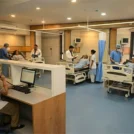
After surgery, you recover in our observation area before discharge. Most patients go home the same day or next morning. We provide detailed post-operative instructions including wound care, activity restrictions, pain management, and warning signs to watch for. Follow-up appointments ensure proper healing, and we discuss any pathology results and future care needs.

- FAQS
Helping You Understand Laparoscopic Gynaecology
Many women have questions about minimally invasive surgery. Here are answers to common concerns about laparoscopic gynaecological procedures.
Is laparoscopic surgery safe?
Yes, laparoscopic surgery is very safe and has become the standard of care for many gynaecological conditions. Our surgeons are extensively trained in minimally invasive techniques, and we use advanced 3D laparoscopic technology for optimal visualisation. Serious complications are rare, and the safety profile is excellent when performed by experienced surgeons.
How long is the recovery after laparoscopic surgery?
Recovery varies by procedure, but most patients return to desk work within 1 week and normal activities within 2 weeks. You may experience mild shoulder pain from the gas used during surgery for 1-2 days, and incision discomfort for a few days. We provide detailed recovery guidelines and pain management strategies to keep you comfortable.
Will laparoscopic surgery affect my fertility?
Many laparoscopic procedures actually improve fertility — myomectomy removes fibroids that may prevent pregnancy, ovarian cystectomy preserves ovarian function, and endometriosis treatment can improve conception chances. We discuss fertility implications for your specific procedure and use fertility-preserving techniques whenever possible.
Is everyone a candidate for laparoscopic surgery?
Most women are candidates for laparoscopic surgery, but some factors may make open surgery safer — very large fibroids or masses, extensive previous surgeries with adhesions, or certain medical conditions. We evaluate each case individually and recommend the safest approach for your situation.
What is the cost of laparoscopic surgery compared to open surgery?
While laparoscopic equipment costs are higher, the overall cost is often comparable or lower due to shorter hospital stays and faster recovery. We provide cost estimates before surgery and accept various insurance plans. The benefits of faster recovery and return to work often make laparoscopic surgery more cost-effective overall.
Customer Satisfaction Drives Us!
Priya & Rahul Patel
IVF Success Story, Ahmedabad
"Shrey Hospital made our dream of parenthood come true. After years
of struggle, the ShreyIVF team guided us with patience and expertise.
Today, we are blessed with a healthy baby. The doctors, nurses, and
staff treated us like family throughout our journey."