




“When your heart is in crisis, every minute matters.”
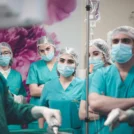
Heart attacks and cardiac emergencies are life-threatening events where immediate treatment can mean the difference between life and death, full recovery and permanent damage. At Shrey Hospital’s Cardiac Emergency unit, we provide rapid response for heart attacks, cardiac arrest, severe arrhythmias, and other cardiac emergencies. Our 24/7 cardiac team is trained to deliver time-critical treatments including emergency angioplasty, thrombolysis, and advanced life support.
All Services
Why Choose Shrey Heart Attack:
24/7 Cardiac Team Ready
Door-to-Balloon Time Focus
Emergency Angioplasty (PCI)
Cath Lab Always Available
Cardiac ICU Backup
Rapid Thrombolysis
get in touch today!
Contact Us
For inquiries, please contact us at:
info@shreyhospital.in
Address Medical
Location Address Details:
Shrey Hospital NH 751, Sarkhej, Sarkhej-Okaf, Gujarat 382210
Work Time Information
Emergency: 24/7 Open
OPD: Mon-Sat: 9AM - 8PM
Pharmacy: 24/7 Available
OPD: Mon-Sat: 9AM - 8PM
Pharmacy: 24/7 Available
From emergency response through recovery — comprehensive cardiac care
Heart Attack Hospital in Ahmedabad — Emergency Cardiac Care
Our cardiac emergency team includes emergency physicians, cardiologists, and cardiac nurses trained in advanced cardiac life support (ACLS). Our catheterisation lab is available 24/7 for emergency angioplasty (PCI), and our cardiac ICU provides specialised post-emergency care. We follow international protocols for cardiac emergency management, ensuring you receive the same quality of care you’d expect at major cardiac centres.
Benefits of Choosing Shrey Cardiac Emergency:
Rapid Door-to-Balloon Time
In heart attacks, opening blocked arteries quickly is critical to saving heart muscle. We focus on minimising door-to-balloon time — from hospital arrival to angioplasty. Our streamlined protocols and 24/7 cath lab availability ensure rapid treatment when every minute counts.
24/7 Emergency Angioplasty (PCI)
Primary PCI (percutaneous coronary intervention) is the gold standard treatment for heart attacks. Our cath lab team is available around the clock to perform emergency angioplasty and stent placement. This immediate intervention can open blocked arteries, restore blood flow, and prevent permanent heart damage.
Advanced Cardiac Life Support
Our cardiac emergency team is trained in ACLS protocols for managing cardiac arrest, severe arrhythmias, and other life-threatening cardiac events. We have defibrillators, emergency medications, and equipment for advanced airway management immediately available. This expertise saves lives in cardiac emergencies.
Integrated Cardiac ICU
After cardiac emergency treatment, patients need specialised monitoring and care. Our cardiac ICU is staffed by cardiologists and critical care nurses experienced in post-heart attack care, arrhythmia management, and cardiac recovery. This seamless transition from emergency to ICU ensures continuous, expert care.
- Our Expertise
Comprehensive Cardiac Emergency Services
Our Cardiac Emergency unit provides rapid, expert care for all types of cardiac emergencies, with the technology and expertise to save lives and hearts.
- Our Approach
Your Cardiac Emergency Journey
From emergency response through recovery — comprehensive cardiac care
1
Rapid Assessment & Diagnosis
When a patient arrives with suspected cardiac emergency, our team immediately assesses vital signs, performs an ECG, and draws blood for cardiac enzymes. This rapid evaluation determines if a heart attack or other cardiac emergency is occurring and guides immediate treatment decisions.
2
Emergency Intervention
For heart attacks (STEMI), we immediately activate the cath lab for emergency angioplasty. If cath lab access is delayed, we administer thrombolytic (clot-busting) medications. For cardiac arrest, we initiate CPR, defibrillation, and ACLS protocols. For severe arrhythmias, we provide cardioversion or medications as needed.
3
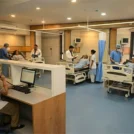
Cardiac ICU Monitoring
After emergency treatment, patients are transferred to our cardiac ICU for continuous monitoring. We watch for complications, manage medications, and assess heart function. Our team provides education about heart disease, risk factors, and the importance of follow-up care and lifestyle changes.

4
Recovery & Prevention
As patients stabilise, we develop a comprehensive cardiac rehabilitation plan including medications, lifestyle modifications, and follow-up care. We educate patients and families about warning signs, medication adherence, and the importance of cardiac rehabilitation to prevent future events.
- FAQS
Helping You Understand Cardiac Emergency Care
Cardiac emergencies are frightening. These answers help you recognise warning signs and understand what to expect.
What are the warning signs of a heart attack?
Classic symptoms include chest pain or pressure, pain radiating to arm/jaw/back, shortness of breath, sweating, nausea, and lightheadedness. However, symptoms can vary — especially in women, diabetics, and elderly patients. If you suspect a heart attack, call emergency services (108) immediately. Do not wait or try to drive yourself.
What is door-to-balloon time and why does it matter?
Door-to-balloon time is the interval from hospital arrival to opening a blocked artery with angioplasty. The faster blocked arteries are opened, the less heart muscle is damaged. International guidelines recommend door-to-balloon times under 90 minutes. At Shrey, we focus on minimising this critical interval.
What is angioplasty and when is it needed?
Angioplasty (PCI) is a procedure where a balloon-tipped catheter is threaded to blocked heart arteries and inflated to open the blockage. A stent (small mesh tube) is often placed to keep the artery open. Emergency angioplasty is the preferred treatment for heart attacks (STEMI) when performed quickly.
What happens after a heart attack?
After emergency treatment, patients typically stay in the cardiac ICU for monitoring, then move to a regular ward. Most patients are discharged within 3-7 days with medications and lifestyle recommendations. Cardiac rehabilitation helps recovery and reduces future risk. Regular follow-up with a cardiologist is essential.
How can I prevent a heart attack?
Key prevention strategies include: not smoking, maintaining healthy blood pressure and cholesterol, controlling diabetes, regular exercise, healthy diet, maintaining healthy weight, managing stress, and regular medical check-ups. If you have risk factors, work with your doctor on a prevention plan.
Customer Satisfaction Drives Us!
Priya & Rahul Patel
IVF Success Story, Ahmedabad
"Shrey Hospital made our dream of parenthood come true. After years
of struggle, the ShreyIVF team guided us with patience and expertise.
Today, we are blessed with a healthy baby. The doctors, nurses, and
staff treated us like family throughout our journey."